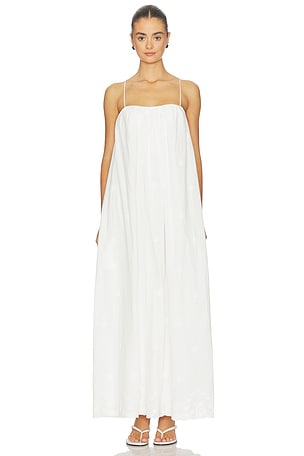
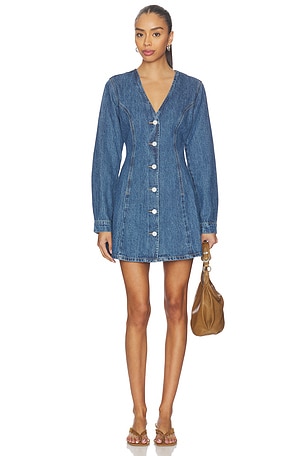
BEST CASUAL DRESSES

What Are the Best Casual Dresses?

Best casual dresses earn their place by handling real life, long hours, warm weather, and repeat wear without losing shape. Look for fabric that holds up, cotton poplin for crisp structure, ribbed knits for stretch and recovery, linen blends for breathability with less wrinkling, and fluid viscose for movement that still looks polished. Fit matters as much as fabrication, a clean neckline, a defined waist that is not restrictive, and a hem that balances coverage with ease. The strongest options usually fall into a few archetypes, a structured shirt dress, a ribbed midi with clean lines, a relaxed fit slip-inspired silhouette in a matte fabric, or a smocked bodice dress with a tidy skirt. If you are shopping for best casual dresses, think about shoes first, then pick a silhouette that stays easy to style with layers and accessories.

Sort + Refine

Sort By
Designer
Size
Size
Color
4 items

A good casual dress works because it is flexible, not because it is trendy. Start with how the fabric behaves, poplin and ponte hold structure, ribbed knits move with you, linen blends stay season-ready, and jersey can look clean when the cut is sharp. Prioritize details that improve wearability, adjustable straps, pockets that lay flat, and seams that keep the shape aligned. For best casual dresses, it is also about proportion, neckline openness, sleeve length, and hem placement that suits your day, from commuting to errands to an easy dinner plan.

Where Can You Wear Casual Dresses?

Casual dresses are built for range. The right silhouette can read polished or relaxed depending on footwear, outerwear, and accessories. Keep your base simple, then adjust the finish, structured layers for sharper moments, softer textures for off-duty days, and clean lines when you want the outfit to look intentional.

  • Work settings: lean into muted colorways, a refined neckline, and a tailored blazer or cropped jacket for a polished finish.

  • Casual or daytime dressing: choose breathable fabrics and relaxed fit shapes, then add denim or a structured tote for easy utility.

  • Social gatherings: keep the silhouette clean, add a sharper shoe, and use contrast, like deep neutrals or tonal layering, to look intentional.

What Occasions Are Ideal for Wearing Casual Dresses?

Casual dresses fit best into moments where you want to look pulled together without overthinking it. The silhouette does the work, while accessories and layers set the tone. Choose fabrics that match the schedule, breathable for daytime, structured for meetings, and fluid when you expect movement.

  • Weekend brunch: pick a cotton poplin or ribbed midi, add flat sandals or clean sneakers, and finish with a structured bag.

  • Creative office days: go for clean lines, a defined waist, and a mid-calf hem, then add a cropped jacket for structure.

  • Evening events: choose a matte fabric with a smoother drape, add a sharper heel, and keep accessories minimal and polished.

  • Season transitions or travel: pick a layer-friendly shape, add a light trench or blazer, and choose fabrics that resist creasing.

How Do You Style Casual Dresses With Other Pieces?

Styling casual dresses is mostly about controlling proportion. Keep one element clean and structured, then let the rest stay simple. If the dress is fluid, add a sharper layer. If the dress is structured, keep accessories minimal and let fabric texture do the work.

  • Neutral base: anchor with white, tan, or soft gray, then add one structured piece, like a blazer or clean leather belt.

  • Denim pairing: add a cropped denim jacket for shape, and match the wash to the mood, lighter for daytime, darker for a sharper look.

  • Tonal layering: build within one temperature, like cream, camel, and chocolate, or taupe, slate, and charcoal, for cohesion.

  • Structure first: use a cropped jacket or tailored blazer to define the waist and shoulders, then keep shoes clean and minimal.

Picking Your First Best Casual Dresses This Season

Start with the job the dress needs to do. If you want an everyday uniform, prioritize a fabric with recovery, like ribbed knit, ponte, or a compact jersey, plus a neckline that layers well. If you want a cleaner, sharper option, pick cotton poplin or a linen blend with a defined waist and a hem that works with flats. Focus on the details that separate a repeat-wear piece from a one-off, pockets that sit flat, straps that do not slip, seams that stay aligned, and a finish that does not cling. Keep colors practical, black, navy, olive, cream, and warm neutrals are easy to style, while one saturated tone can make the rotation feel current. Above all, choose a silhouette that feels natural to move in, because comfort shows up as confidence.

The smartest approach is restraint. Build a small set of shapes you know you will wear, then refine by fabrication, weight, and proportion. A structured shirt dress, a ribbed midi, and a fluid day dress cover most calendars with minimal effort. When you can switch shoes and add one clean layer, you have a season-ready wardrobe that holds up in photos and in real life.