BEST BRACELETS IN BLUE
What Are the Best Bracelets in Blue?
Blue bracelets sit in a nice lane between statement and subtle, especially when the shade is chosen with intent. The best bracelets in blue lean on clean lines, considered hardware, and materials that sit comfortably against the wrist all day. Think slim enamel cuffs in deep navy, polished metal chains threaded with blue crystals, structured bangles with smooth inlay, or delicate strand bracelets mixing cool stones and fine links. What makes blue bracelets work is balance, the proportion of color to metal, the way the bracelet stacks, and how it frames your watch or rings. Focus on tones that match your wardrobe rhythm, soft powder blue for light tailoring, saturated cobalt for sharper monochrome, and midnight blue for evening. Decide early if you rely more on silver or gold metals, then let that guide the depth of blue you choose so the bracelet feels integrated, not random, in every outfit.
Sort + Refine

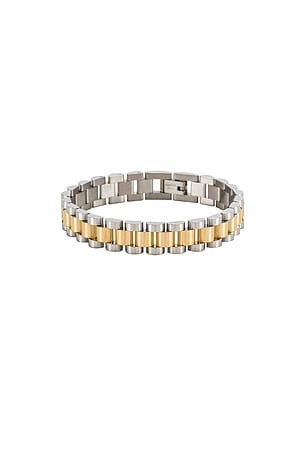


Once you know blue is the thread you want on your wrist, it helps to look closely at fabrication. Enamel in rich navy or cobalt reads clean and graphic. Faceted blue crystals or glass beads bring more reflection, especially in evening lighting. Smooth stones like lapis and aquamarine feel grounded and slightly textured while still polished. Pay attention to how each bracelet opens and closes, hinge, slider, or clasp, and whether the interior is smooth against the skin. The right silhouette hugs the wrist without pinching, stacks neatly with metal bangles or a watch, and keeps the color band streamlined rather than bulky even as you move.
Where Can You Wear Blue Bracelets?
Blue bracelets move easily from weekday structure to weekend ease. The color is calm but still directional, which keeps a look polished without shouting. How saturated you go, and how much metal you show, dictates whether the bracelet reads subtle or more graphic.
Work settings: Choose slim navy or midnight blue bracelets with fine gold or silver hardware, stacked with a watch or single bangle, so the wrist reads polished and intentional without pulling focus.
Casual or daytime dressing: Try softer sky or denim blue cords, beads, or enamel pieces layered with mixed metals to sit alongside tees, relaxed fit denim, and cropped jackets in a low pressure way.
Social gatherings: Use structured cobalt or deep blue crystal bracelets as a focal accent beside rings, especially with black, white, or neutral outfits where the color band can really register.
What Occasions Are Ideal for Wearing Blue Bracelets?
Different moments call for slightly different proportions of blue. The same bracelet can read refined at brunch, creative at the office, or sharper at night, depending on how you frame it with fabric, texture, and other jewelry. Small shifts in stacking, sleeve length, and metal tone change the mood without needing a totally different piece.
Weekend brunch: Pair a single lapis or enamel blue bracelet with soft knits, straight leg denim, and a trench so the color feels easy but still considered.
Creative office days: Stack two slim navy bracelets with a watch, worn with tailored pants, a clean shirt, and a relaxed blazer for a structured but relaxed finish.
Evening events: Let a crystal heavy blue bracelet catch the light beside a minimal ring set, anchoring satin, crepe, or silk pieces without competing with the outfit.
Season transitions or travel: Choose a low profile blue cord or chain bracelet that sits comfortably under sleeves and outerwear, adding color that does not interfere with layers or bags.
How Do You Pair Blue Bracelets With Outfits?
Pairing blue bracelets with outfits is mainly about respecting undertone. Cool, almost gray blues sit best with silver and white metals, while richer cobalt and ink blue can handle both silver and gold. Once the metal is set, the rest is about proportion, where the eye lands, and how the bracelet connects to your clothes.
Neutral base: Start with whites, creams, or soft gray tailoring, then add a navy or cobalt bracelet so the blue reads as a single, clear stripe against an uncluttered base.
Denim pairing: Let the bracelet echo or slightly deepen your denim wash, matching light blues with pale jeans and inky blues with darker washes, then finish with a structured shirt or knit.
Tonal layering: Work within a narrow range, navy, ink, and charcoal, then add a blue bracelet that is either half a shade lighter or richer so the wrist detail feels integrated rather than loud.
Structure first: Anchor blue bracelets with pieces that already have clean lines, a sharp blazer, ribbed knit, or crisp cuff, so the jewelry reinforces the structure instead of fighting it.
Picking Your First Best Bracelets in Blue This Season
When you are picking your first bracelets in blue this season, start by being honest about how you dress on most days, not just in ideal scenarios. If you live in tailoring and shirting, a slim navy enamel or lapis bracelet with discreet metal hardware will slot in quietly beside a watch. If your closet leans casual, a slightly softer sky or denim blue cord, bead, or chain piece will feel more natural next to tees, relaxed fit denim, and easy outerwear. Consider whether you gesture a lot with your hands, how heavy you like jewelry to feel, and if you prefer symmetry or an off center stack. Measure your wrist, note how you like bracelets to sit, close to the skin or with a little movement, and prioritize smooth interiors and secure clasps so you actually reach for the piece.
A blue bracelet works hardest when it is treated as part of a system, not a one off accent. Commit to one metal tone for everyday wear, choose a blue depth that flatters your skin and favorite fabrics, and let that guide future additions. Resist over stacking at first, one or two bracelets with a watch is usually enough, then build slowly once you know what feels balanced. When proportion, color, and structure are aligned, blue bracelets become season ready, slipping under coats, over cuffs, and into evening looks without needing constant adjustment or constant editing. Over time, you can rotate different shades of blue for specific seasons, lighter for warmer months and deeper tones for colder days.